
Published 31/10/2026 · 7 min read
The Case for Buying New Vending Machines in Australia
Investing in a new commercial vending machine represents a significant capital decision for Australian operators, corporate facilities, and independent business owners. While the second-hand market often appears tempting due to lower upfront sticker prices, buying new delivers modern refrigeration technology, current payment compliance, factory warranties, and operational reliability that directly protect your bottom line.
In the Australian market, an unreliable vending machine does not merely lose individual sales; it risks losing the placement contract entirely. Site hosts such as logistics depots, hospitals, schools, and corporate offices expect clean, quiet, and consistently functioning equipment. A brand-new machine establishes operational predictability from day one, allowing you to focus on product selection, route management, and restocking rather than emergency mechanical repairs.
Touchscreen and Telemetry: Features Worth Paying For
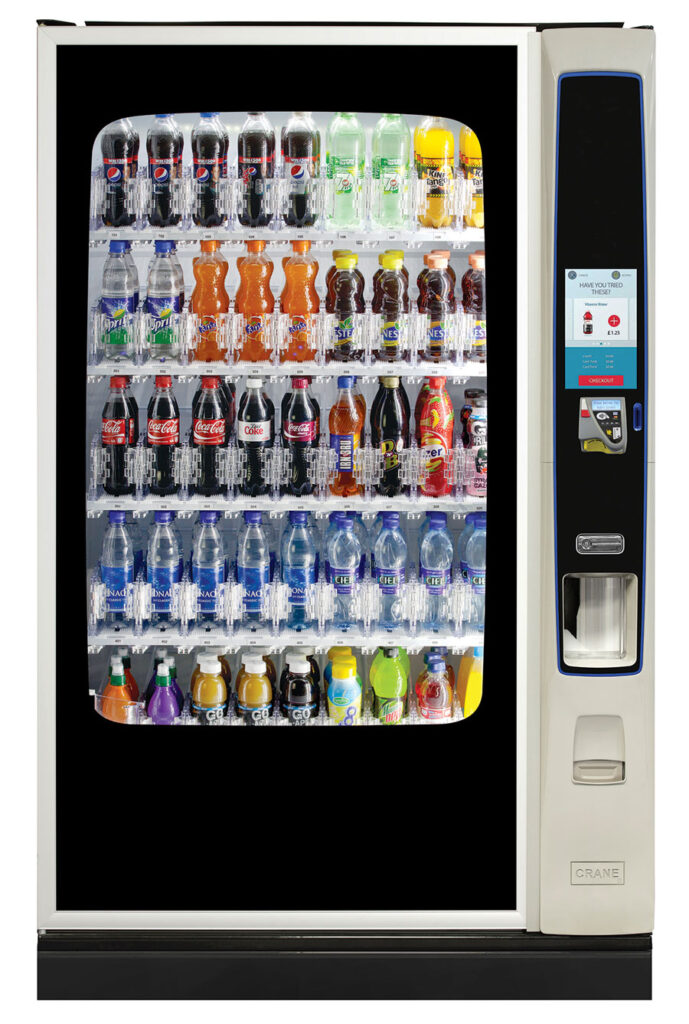
Modern vending hardware has evolved far beyond mechanical coin mechanisms and analogue selection pads. When reviewing specifications for new machines, two technological features consistently justify their investment: advanced cloud telemetry and interactive touchscreen displays.
Cloud Telemetry and Remote Management
Telemetry systems connect your machine to the mobile 4G or 5G network, transmitting live inventory levels, sales revenue, internal cabinet temperatures, and system fault alerts directly to your desktop or smartphone. In Australia, where travel distances between operating sites can be substantial, telemetry radically cuts fuel and labour costs.
Without telemetry, an operator must physically visit the machine to determine what has sold, return to the vehicle or warehouse to pack stock, and then reload the spirals. With telemetry, you pre-pack exact inventory before leaving your base. Furthermore, if a refrigeration unit fails or a drop sensor registers a continuous error, the system notifies you immediately via SMS or email, preventing spoiled dairy or drinks and eliminating customer frustration.
Touchscreens and Modern Interfaces
While robust physical keypads remain practical for heavy industrial yards, interactive digital touchscreens are increasingly preferred for corporate, retail, and healthcare environments. High-definition touchscreens provide three distinct commercial advantages:
- Multi-product shopping carts: Customers can purchase multiple items in a single transaction, increasing the average spend per tap.
- Nutritional and allergen displays: Under Australian consumer expectations and food standards, displaying live nutritional panels and ingredient lists helps consumers make informed choices.
- Dynamic digital advertising: Touchscreens can run scheduled video and static advertisements, providing an auxiliary revenue stream or promoting high-margin combo deals.
When evaluating touchscreens, ensure the glass is tempered safety glass with anti-vandal ratings, and verify that the operating interface can run offline if local cellular reception temporarily drops.
Cashless from Day One: Adapting to Australian Payment Habits
Australia is one of the most cashless societies in the world. According to data from the Reserve Bank of Australia, cash transactions have dropped to a fraction of daily retail volume, with consumers overwhelmingly favouring contactless debit, credit, and smartphone wallet payments.
Deploying a new vending machine without integrated cashless payment hardware is no longer viable. In high-traffic Australian locations, cashless payment accounts for between 80% and 95% of total vending turnover. A machine reliant purely on notes and coins forfeits the vast majority of spontaneous purchases from workers who carry only a phone or smart watch.
When purchasing new, choose machines pre-fitted or factory-ready for established Australian cashless readers, such as those supplied by Nayax, Cantaloupe, or ePay. These terminals natively process Visa, Mastercard, EFTPOS, Apple Pay, and Google Wallet. They also communicate seamlessly with your back-end telemetry platform via Australian SIM cards, ensuring transaction processing fees and settlement cycles remain straightforward.
Energy Consumption and Australian Refrigeration Standards
Commercial refrigeration running twenty-four hours a day can quickly accumulate substantial electricity costs if the equipment is inefficient. For site hosts who cover their own power bills, an inefficient vending machine can become a point of contention that jeopardises your site agreement.
Australian GEMS Compliance
All refrigerated beverage and snack vending machines imported and sold in Australia must comply with the Greenhouse and Energy Minimum Standards (GEMS) Act. These regulations enforce Minimum Energy Performance Standards (MEPS) to eliminate energy-draining appliances from the commercial market.
Modern new machines typically utilise hydrocarbon refrigerants, specifically R290 (propane), rather than older synthetic fluorocarbon gases such as R134a. R290 has an exceptionally low Global Warming Potential (GWP) and zero Ozone Depletion Potential. More importantly for daily running costs, R290 thermodynamic properties enable compressors to cool the cabinet faster while using up to 30% to 40% less electrical power.
Energy-Saving Design Features
When assessing machine build quality, check for the following energy-efficient components:
- Low-emissivity (Low-E) double or triple-glazed argon-filled glass fronts that prevent condensation in humid Australian coastal climates.
- Polyurethane high-density foam cabinet insulation to minimise thermal loss.
- High-efficiency internal LED lighting strips that emit minimal heat into the refrigerated compartment.
- Programmable eco-modes that dim internal lighting and increase target cabinet temperatures during verified off-peak hours, such as overnight in locked commercial premises.
These efficiency improvements can lower operating power costs from around $600 to $800 annually on an older machine down to approximately $200 to $350 annually on an advanced modern unit.
Warranty, Local Parts Supply, and Technical Support
One of the most dangerous traps when buying new equipment is purchasing unbranded or grey-market imports directly from overseas marketplaces without local distributor backing. While the purchase price may look attractive, a vending machine is an electro-mechanical device containing moving motors, wiring harnesses, solenoids, and cooling compressors.
A reputable Australian supplier provides an explicit local warranty, typically covering parts and technical support for twelve to twenty-four months. Before finalising your purchase, confirm the following support benchmarks:
- Does the supplier maintain a physical warehouse in Australia stocked with replacement drop sensors, control boards, keypad membranes, and spiral motor assemblies?
- Are technicians accessible via phone during standard Australian business hours to assist with setup, planogram programming, and troubleshooting?
- Is the refrigeration module modular? A slide-in, slide-out refrigeration deck allows you to swap a failed cooling unit in fifteen minutes on-site without needing to transport the entire 350-kilogram machine to a repair depot.
Waiting six to twelve weeks for a proprietary circuit board to ship via international air freight results in extended machine downtime, broken contracts, and lost customer goodwill.
Delivery Lead Times and Logistics
Understanding freight lead times prevents costly scheduling delays when launching a new site. Standard models held in local Australian stock can typically be tested, configured to your product planogram, and dispatched within one to two weeks. Custom configurations—such as specialised elevator delivery mechanisms, custom outer vinyl wrapping, or non-standard shelf dividers—may involve lead times of six to twelve weeks if sourced from international factory production runs.
Ensure your purchase quotes include clear delivery terms. Commercial vending machines weigh between 280 and 420 kilograms empty. Standard tail-lift delivery brings the crate to ground level at the kerb or loading dock. If your placement involves internal doorways, tight corridors, carpeted flooring, or stairs, coordinate specialist site-placement freight with operators trained in stair-climber logistics.
Total Cost of Ownership: When New Beats Refurbished
The total cost of ownership (TCO) over a five-to-seven-year operational lifespan frequently tilts in favour of buying new. A refurbished machine may save between $2,000 and $4,000 up front, but it begins its service life with partially worn motor gearboxes, older refrigeration compressors nearing their duty-cycle limits, and legacy wiring looms.
Consider the compounding financial impact of downtime. If a high-volume vending machine generates $120 to $200 in gross daily revenue, being out of order for four days while sourcing an older part costs up to $800 in lost takings, plus a typical commercial technician call-out fee of $180 to $250. Experiencing three such incidents in a year erodes the initial capital savings of second-hand hardware.
Furthermore, for Australian businesses registered for GST, purchasing brand-new commercial equipment allows you to claim the input tax credit on the purchase price. Subject to prevailing Australian Taxation Office (ATO) depreciation rules and turnover thresholds, businesses can often deduct the asset's cost over time or via temporary expensing provisions, considerably lowering real net expenditure.
When calculating returns, evaluate the asset as a complete system: machine reliability, energy consumption, immediate cashless uptake, and the strength of local Australian parts support all work together to secure long-term commercial returns.
Frequently asked questions
Is cashless payment hardware mandatory on new vending machines in Australia?
Yes, in practical terms. More than 80% of automated retail transactions in Australian workplaces, gyms, and transport hubs occur via contactless cards and mobile wallets. Installing a machine that only accepts cash significantly limits your gross sales potential and inconveniences modern consumers.
What Australian energy standards apply to new refrigerated vending machines?
New refrigerated beverage and snack machines must meet the Greenhouse and Energy Minimum Standards (GEMS) Act requirements in Australia. Compliant units feature high-efficiency compressors (frequently using R290 refrigerant), argon-insulated glass, and LED lighting, keeping yearly power costs substantially lower than older equipment.
How long are delivery lead times when buying new vending machines locally?
Machines held in local Australian stock are typically tested, configured to your chosen drink or snack planogram, and delivered within one to two weeks. Custom-built units, bespoke shelving arrangements, or specialised factory wrap graphics generally require six to twelve weeks from order.
What warranty terms should I expect when purchasing new equipment in Australia?
Reputable Australian distributors typically offer a 12 to 24-month parts warranty. You should confirm that the supplier maintains locally stocked spare parts, including motor assemblies, payment interfaces, and modular refrigeration decks, alongside phone-based technical support during Australian business hours.
Want a machine at your site?
Free placement for eligible sites, or new and refurbished machines to buy, lease or finance. We reply within 8 business hours.
Make an enquiry